In the 1960s, my grandparents traveled to Japan by freighter. This wasn’t a luxurious cruise by any stretch of the imagination. They wanted to take a retirement vacation, experience Japan, and satisfy some curiosities about the country. Traveling by airplane was expensive. The destination was the point; there wasn’t any rush to get there.
I was a wee lad when the trip took place, but I remember two things. My grandfather played cribbage with the ship’s captain during the month-long voyage, and I got a cool blue jacket with Japan written on it as a gift when they returned.
He didn’t talk to me much about the trip, but I believe he came away impressed by the Japanese people’s resourcefulness. I think he sailed away thinking these people had that human factor that leads to success. Enough so that he included Japan in his future investment strategies. Not long after, companies like Toyota gained serious ground in the car market with fuel-efficient vehicles, while American car companies had to be convinced by the 1970s energy crisis before they got off the gas-guzzling bandwagon. His investment strategy wasn’t complicated. He wasn’t a numbers guy. He placed his bets where he thought growth was inevitable, backed by in-demand products built by good, hard-working people.
I was reminded of my grandparents’ journey while wandering through the Portland Art Museum (PAM) this week. Donna and I have a membership, thanks to a generous gift from one of my children, so we like to go at least a few times a year and make an afternoon date out of it. The exhibits range from barely impressive to extraordinary. Allow me to walk you through some thoughts and impressions.
PAM rotates in new art about every two months. This time, the museum’s new attraction was Indigenous art. I am about as far from a credible art critic as you can get (picture Eddie Haskell-level sophistication), but my mind still likes to spend time judging art for talent and creativity. Hey, I paid to get in; I get to judge all I want.
We like to traverse the art museum from the top down, so we take the elevator up to the fourth floor and start with the Modern Art exhibits. I always look forward to seeing what’s on display in the Modern Art section because I often conclude I chose the wrong career path. I easily could have become an artist and produced half of these knockoffs.
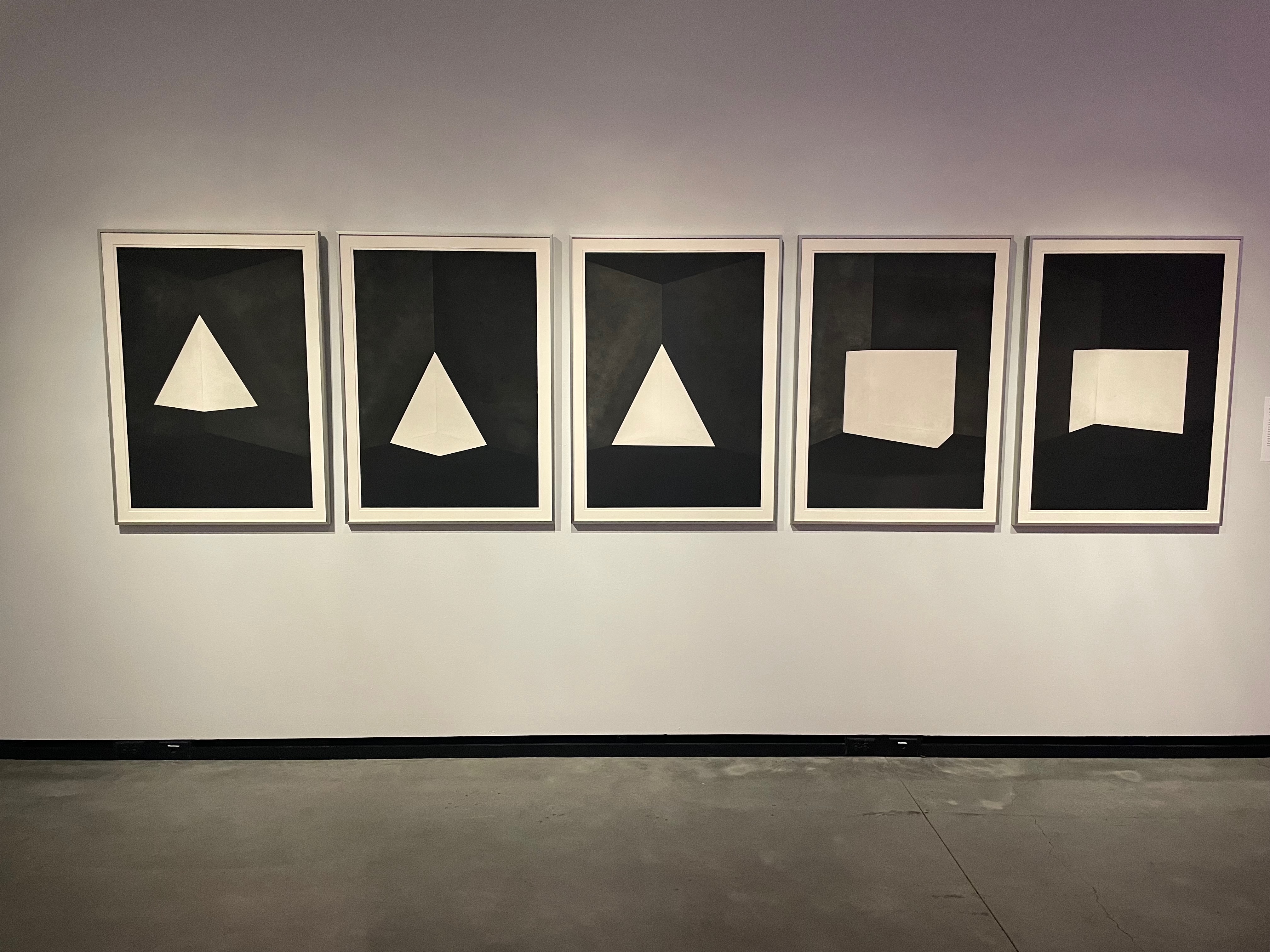
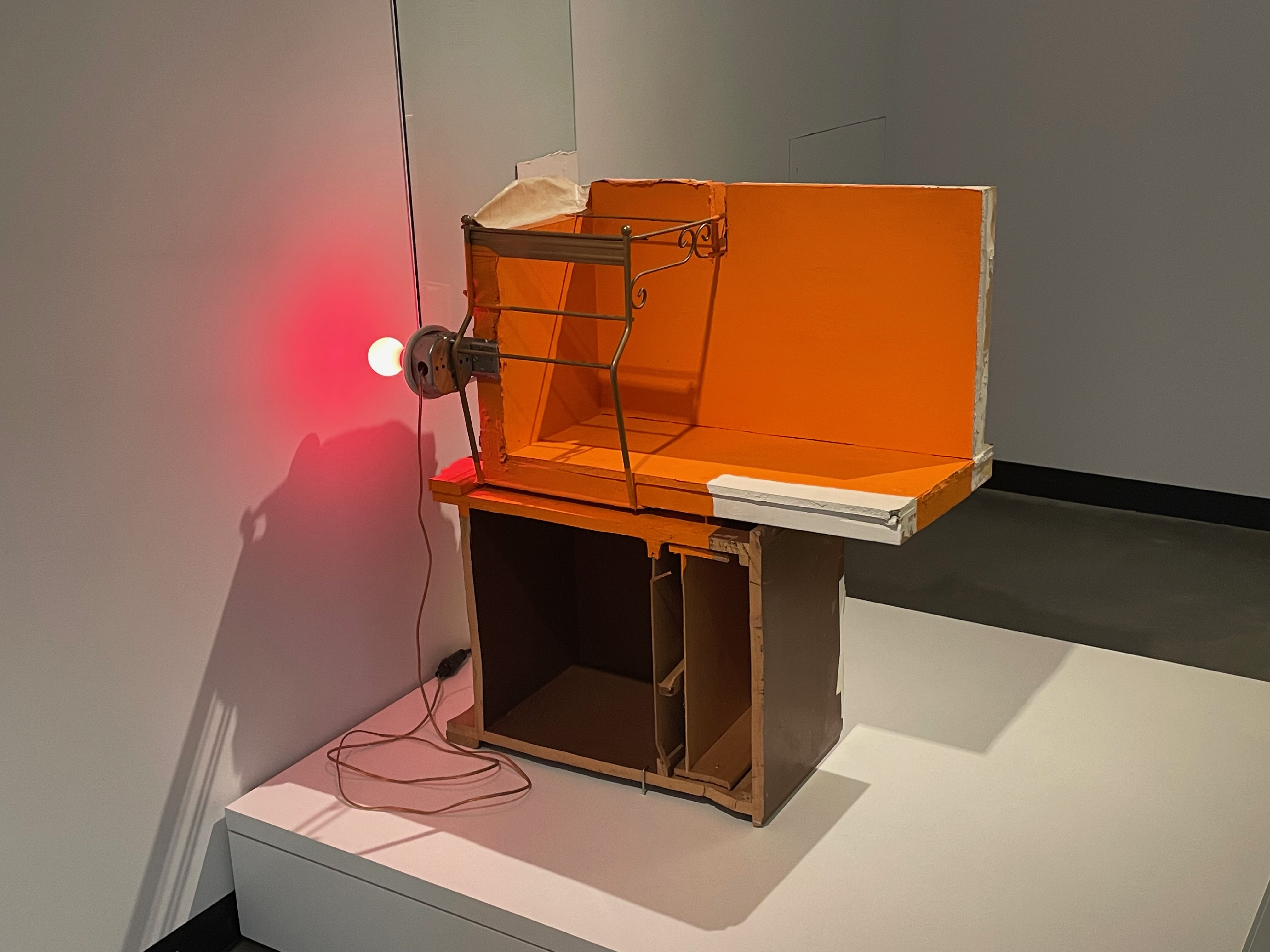
Take this piece on the left, for example. My fourth-grade teacher would have given this project a D, and I have no idea what the artist on the right was thinking, so I didn’t spend more than ten seconds trying to figure it out. This looks like an eighth-grade science project that got started at 10pm the night before it was due.
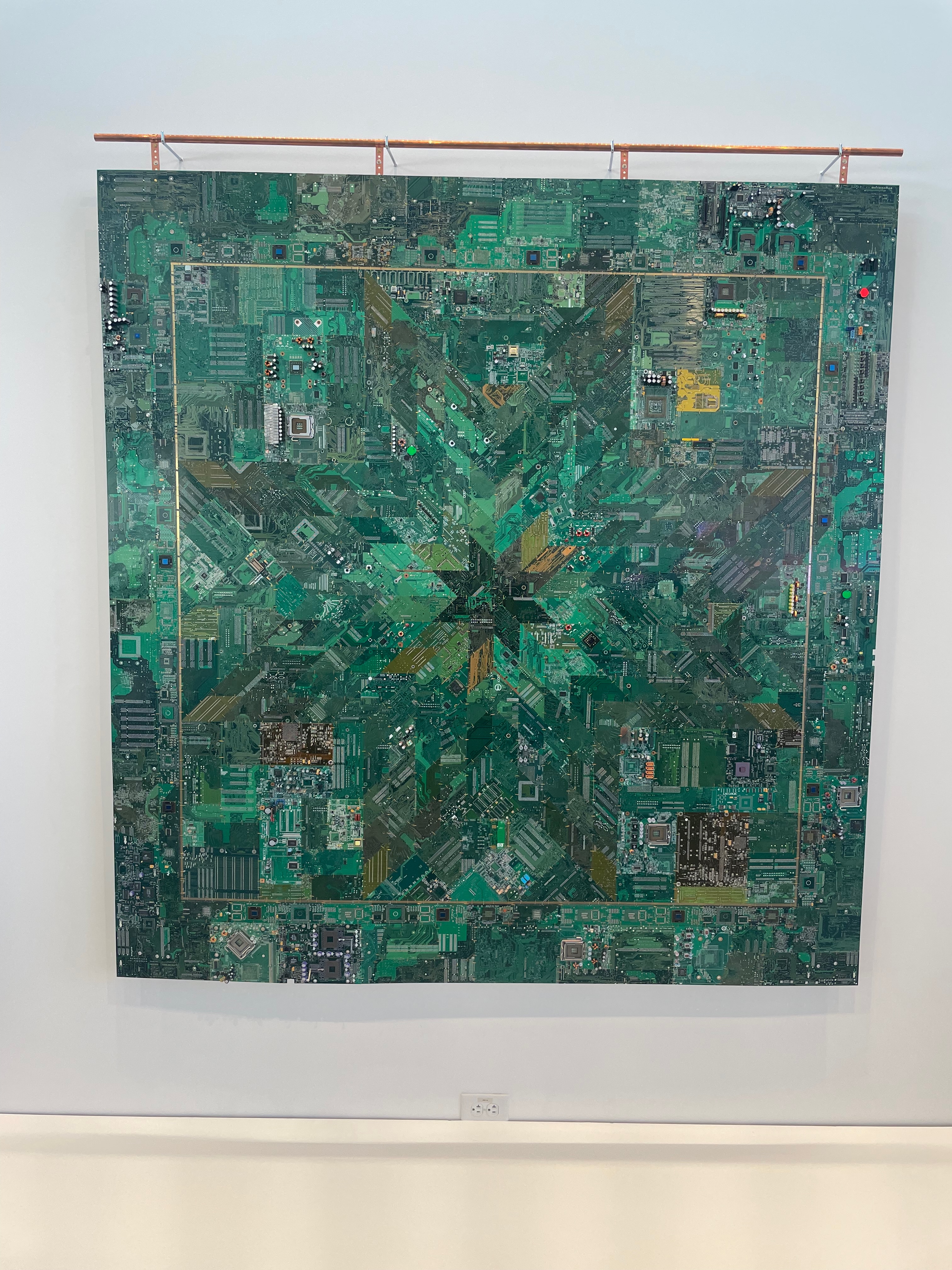
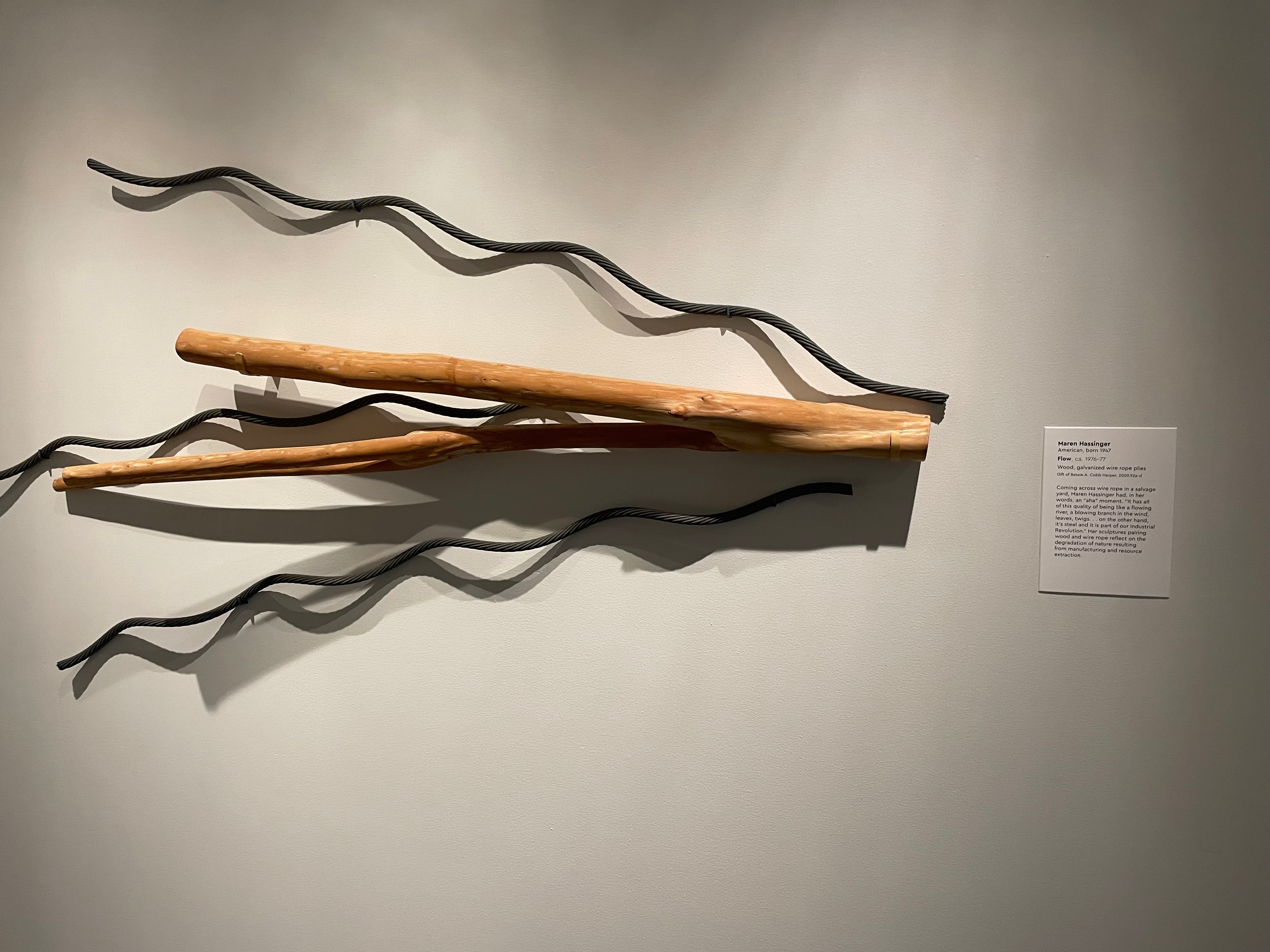
Not all Modern Art falls into this category. Some of it is pretty creative. In my judgment, the original thinking is just as important as the artistic skill to put the idea together. Here’s a giant circuit board made from hundreds of smaller circuit boards, all pieced together. Whoever came up with this idea is someone I would enjoy talking to. Sometimes simplicity can be eye-catching. Below are some sticks and twigs. What matters isn’t how long it took to put the piece together. If it creates a stunning visual effect, that tells me the idea had some merit.
Regarding Modern Art in general, I always thought Andy Warhol was a bit of a poser, one of those guys who built a mystique around himself by being an odd-looking duck who deals in the esoteric and fools the nobs into thinking he’s some sort of genius. His art creds came from a half day in the studio and a full evening at Studio 54 hobnobbing with the eccentrics.
So what else does this museum have to offer? A lot, actually.
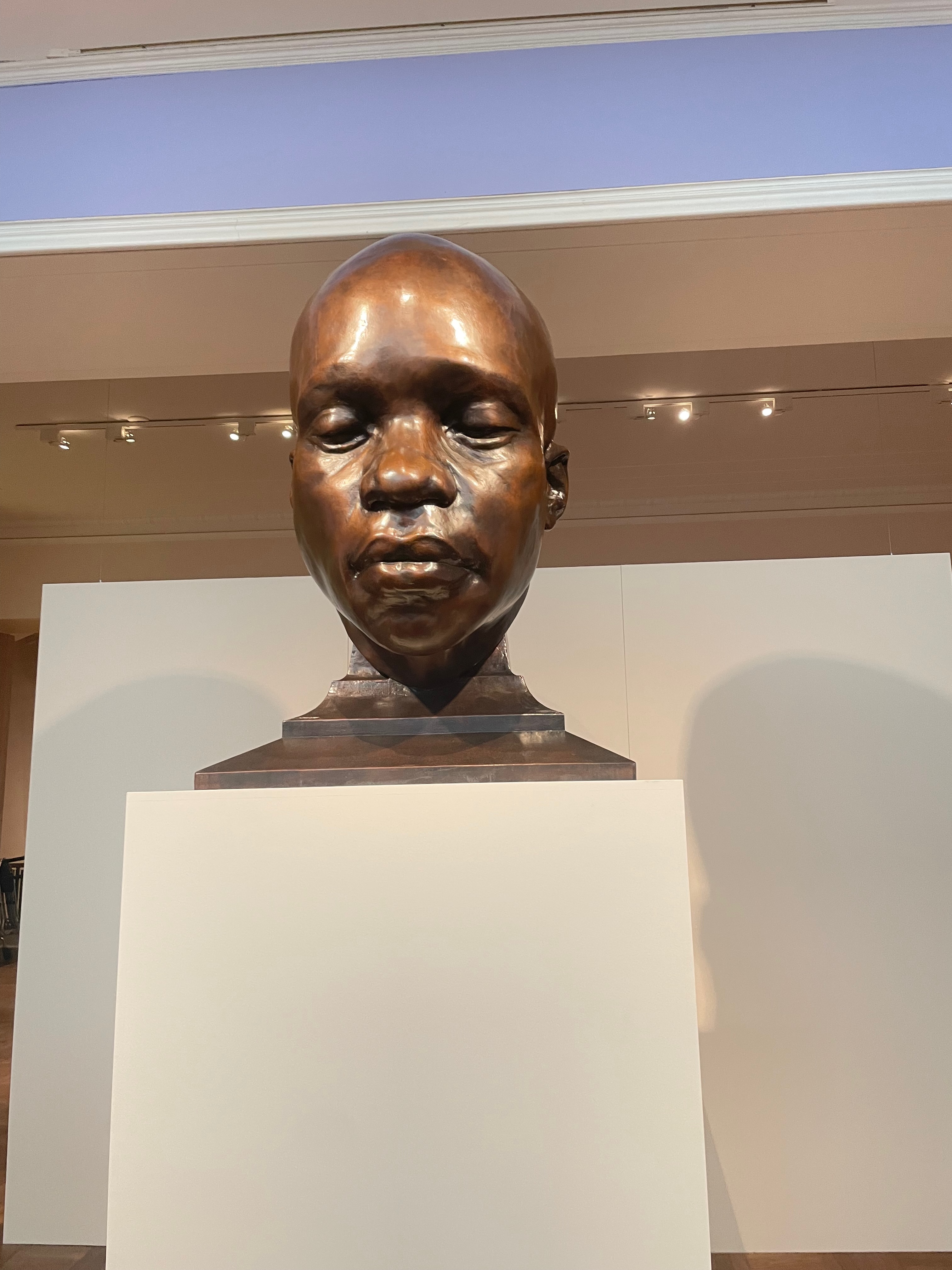
Here’s a bust of York, a slave who played a key part in the Lewis and Clark expedition. Sometimes it’s the story behind a piece that grabs your attention. York worked as a full member of the team, hunting game, building forts and canoes, and doing other heavy labor. At the mouth of the Columbia, he was even given a vote, alongside the others, on where to spend the winter. When the expedition returned to St. Louis, York asked Clark for his freedom. Clark said no. What an ungrateful bastard. Years later, he was freed, but the story says a lot about who did the work and who took all the credit.
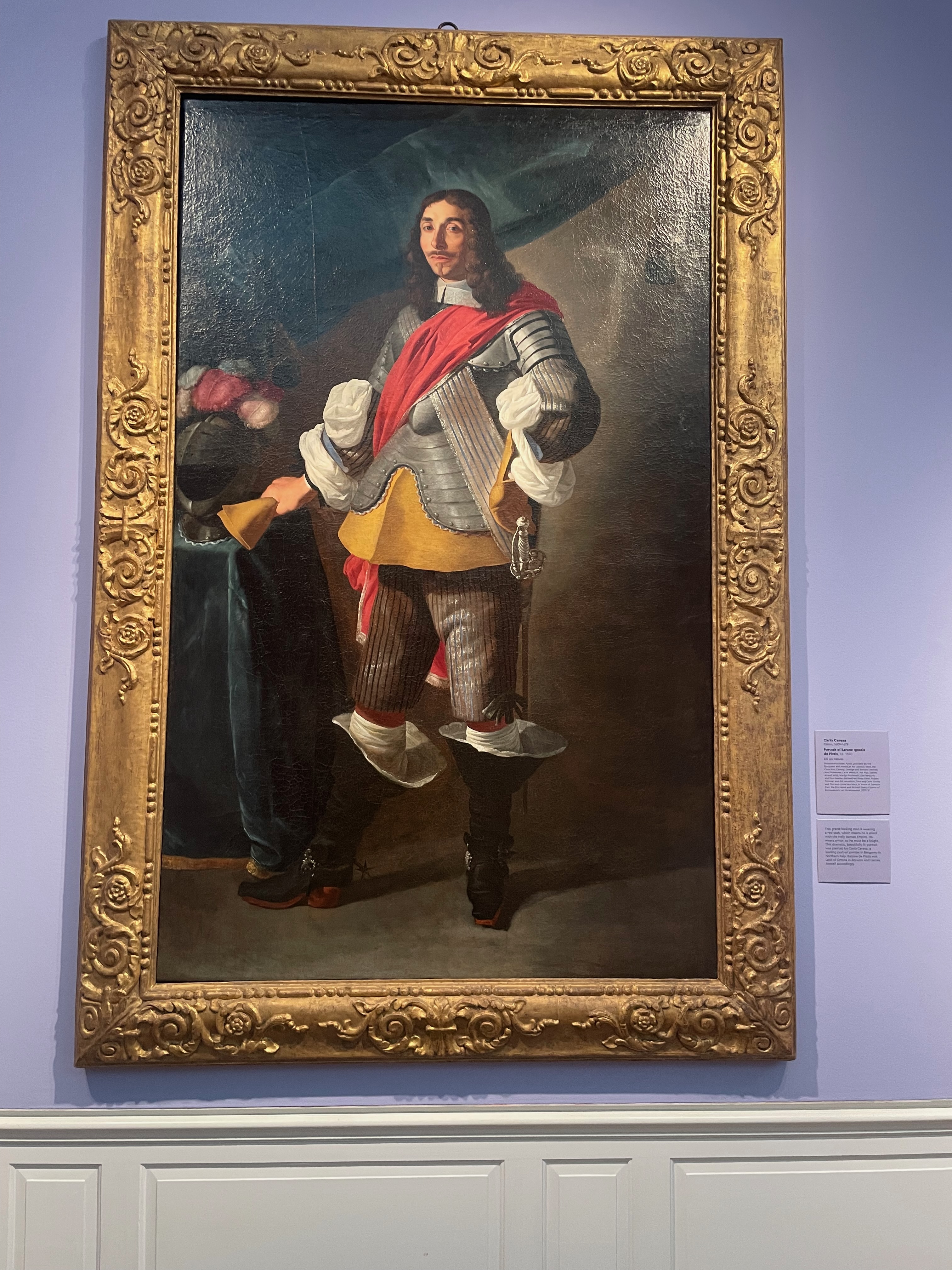
We wandered through the next few floors, taking in artwork that displayed real talent and creativity. I had no illusion I could ever produce any of these pieces, even in my wildest dreams. This work truly showed a high level of skill.
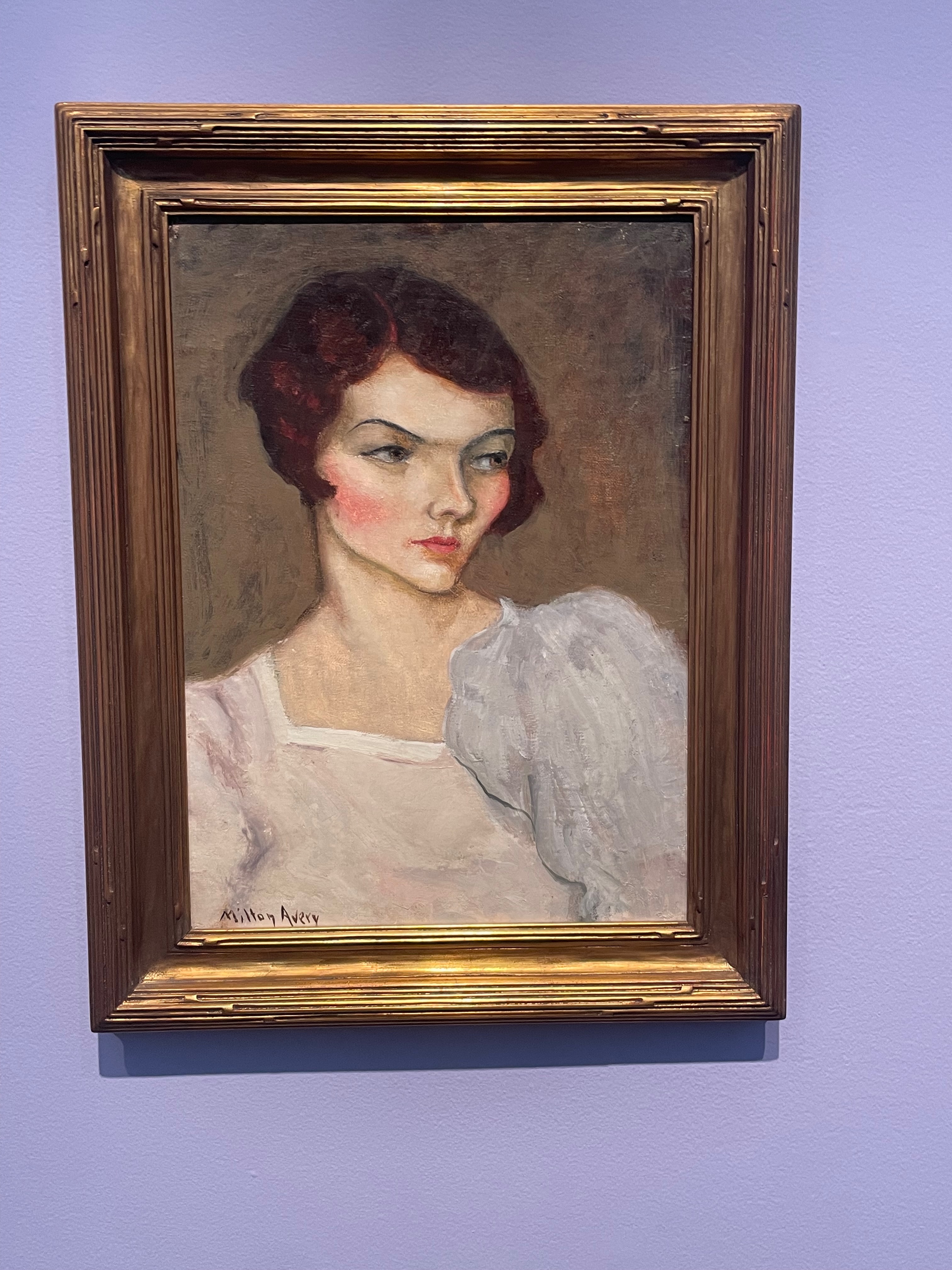
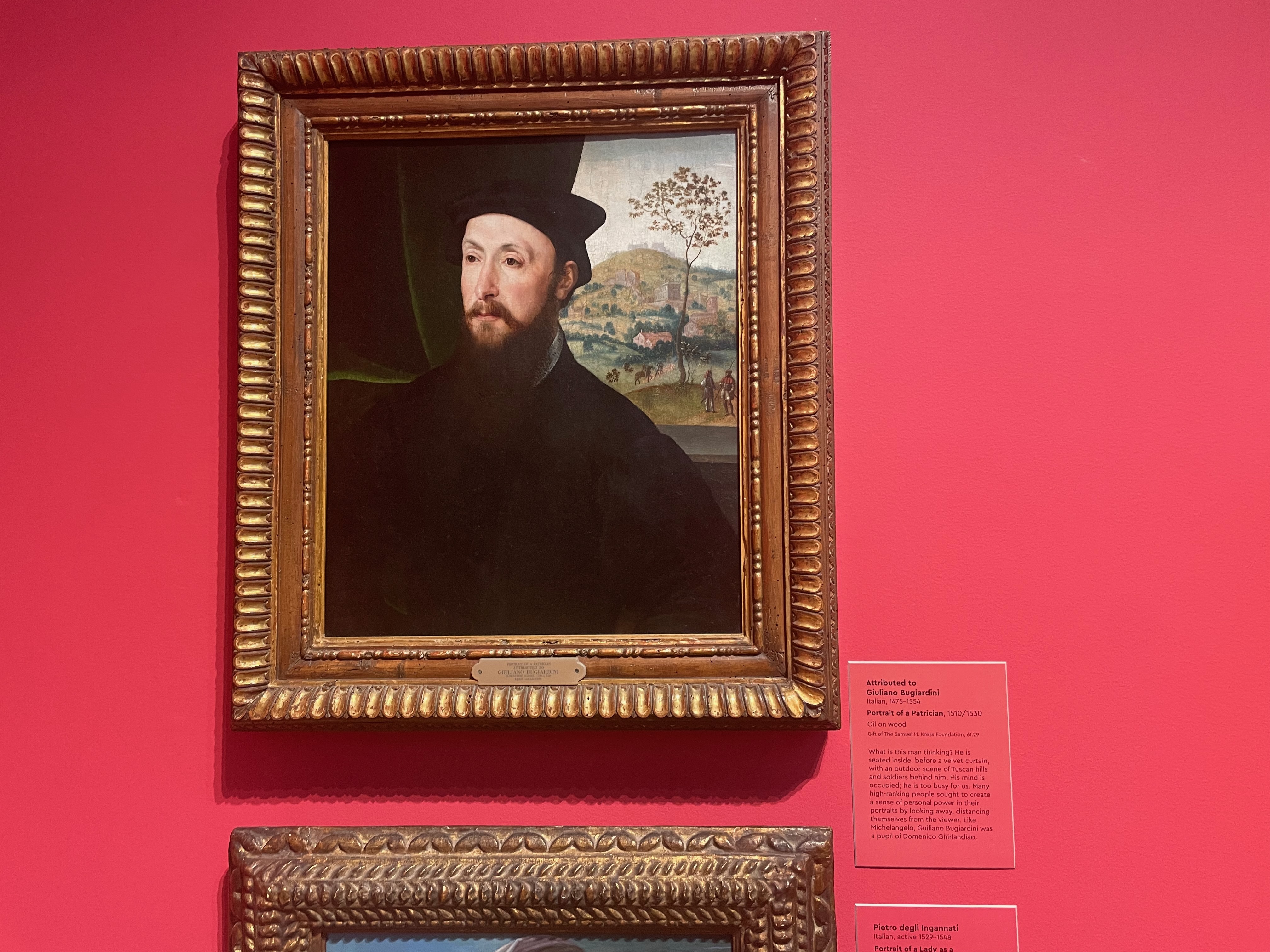
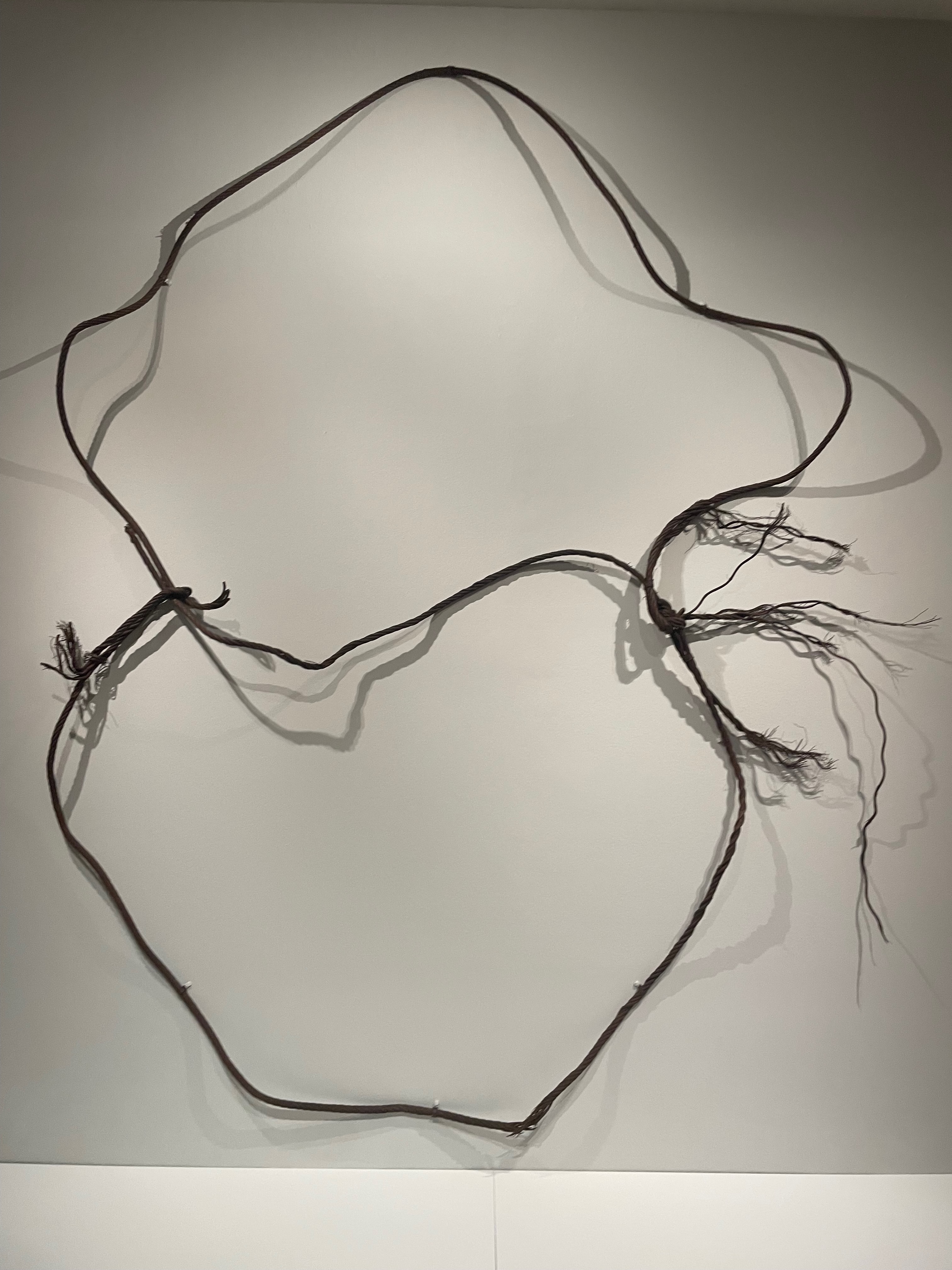
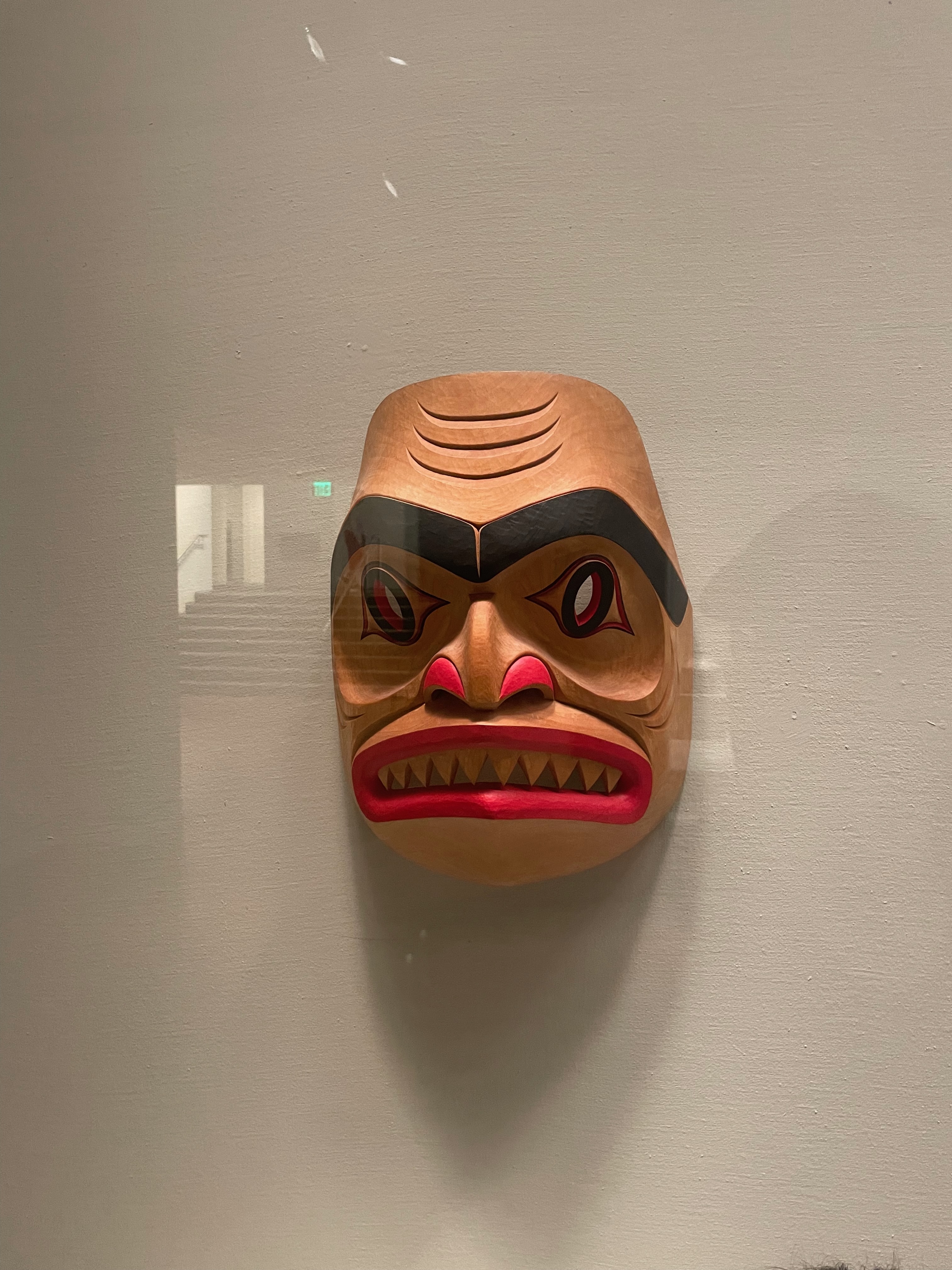
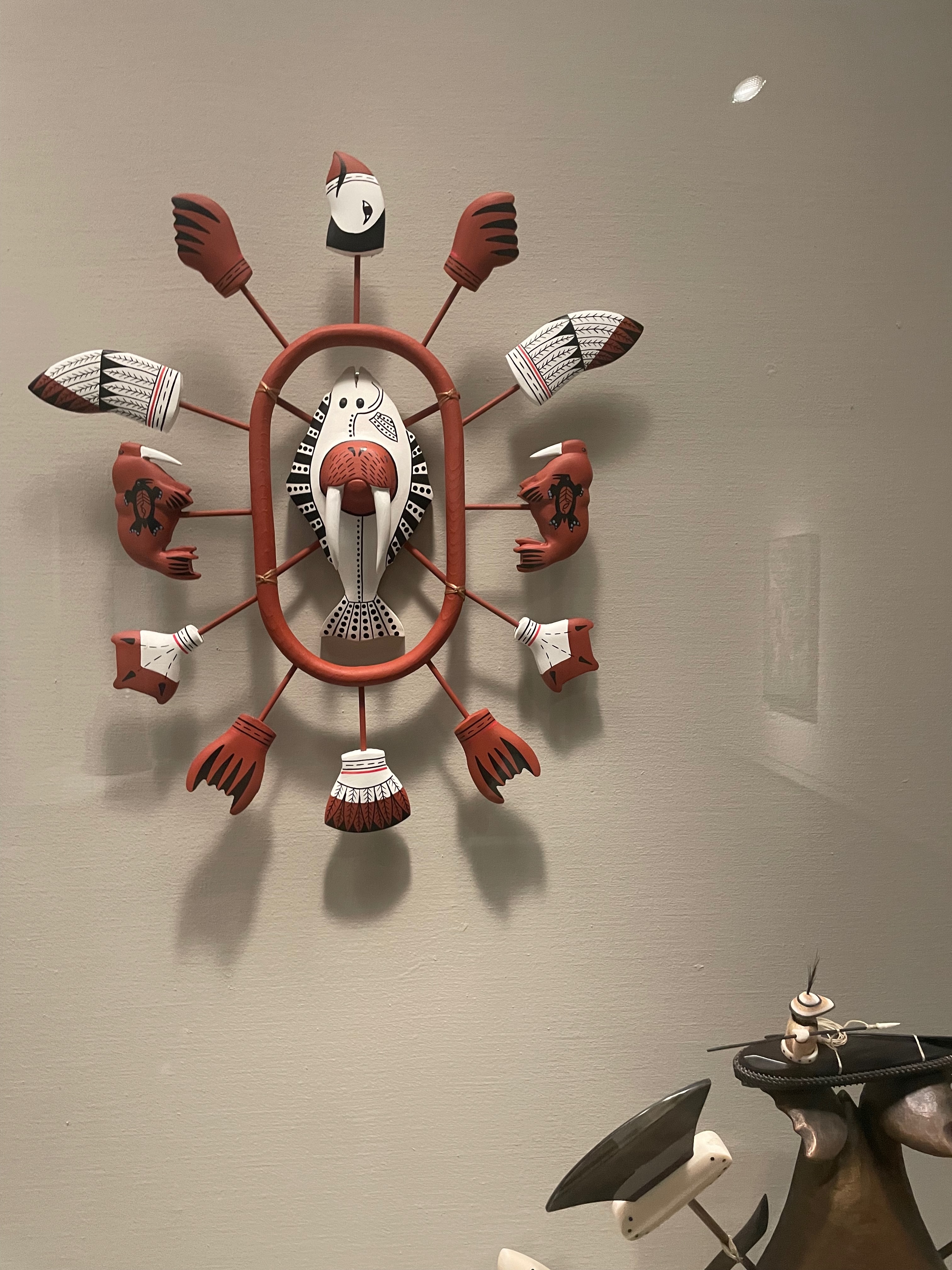
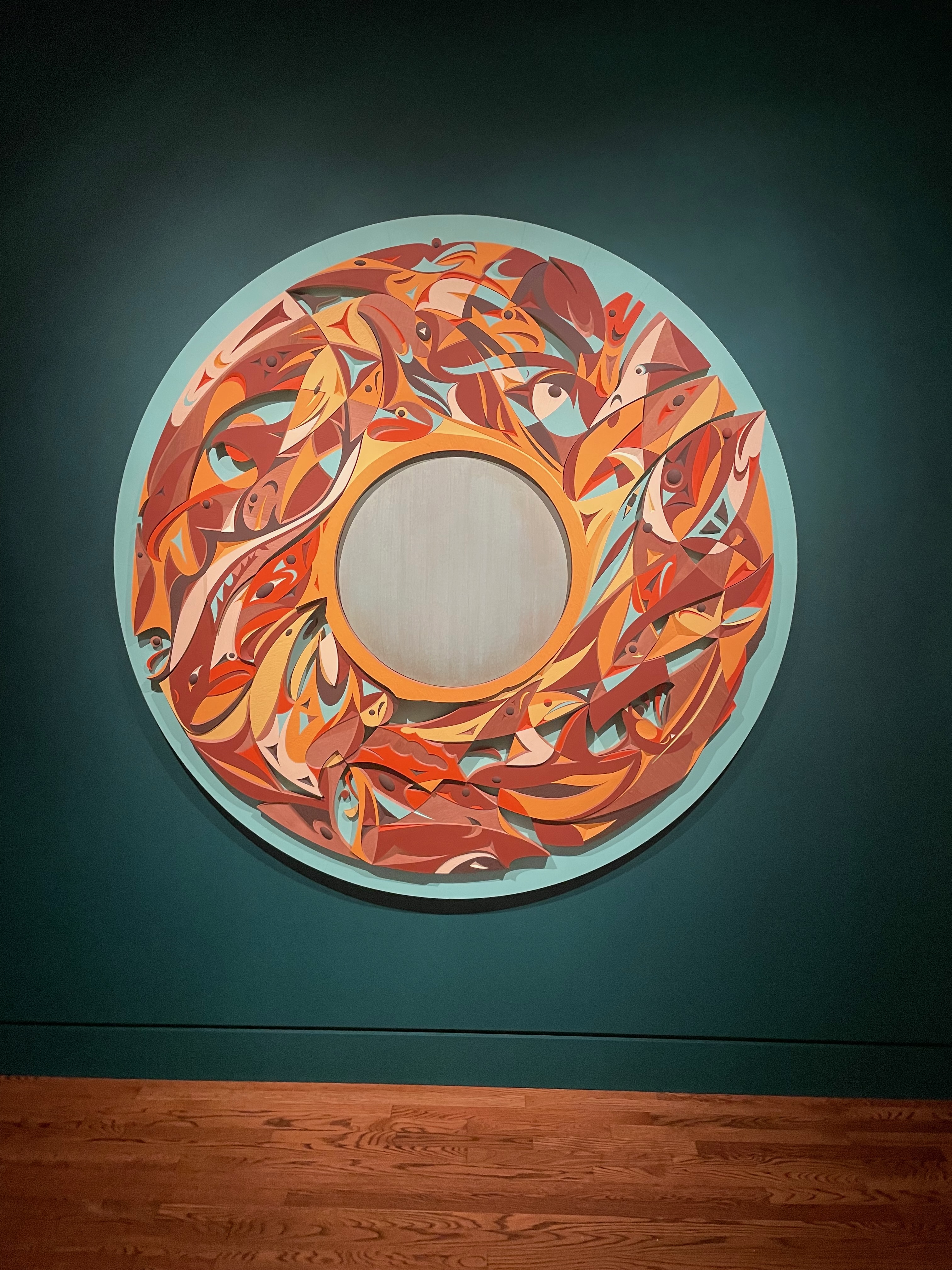
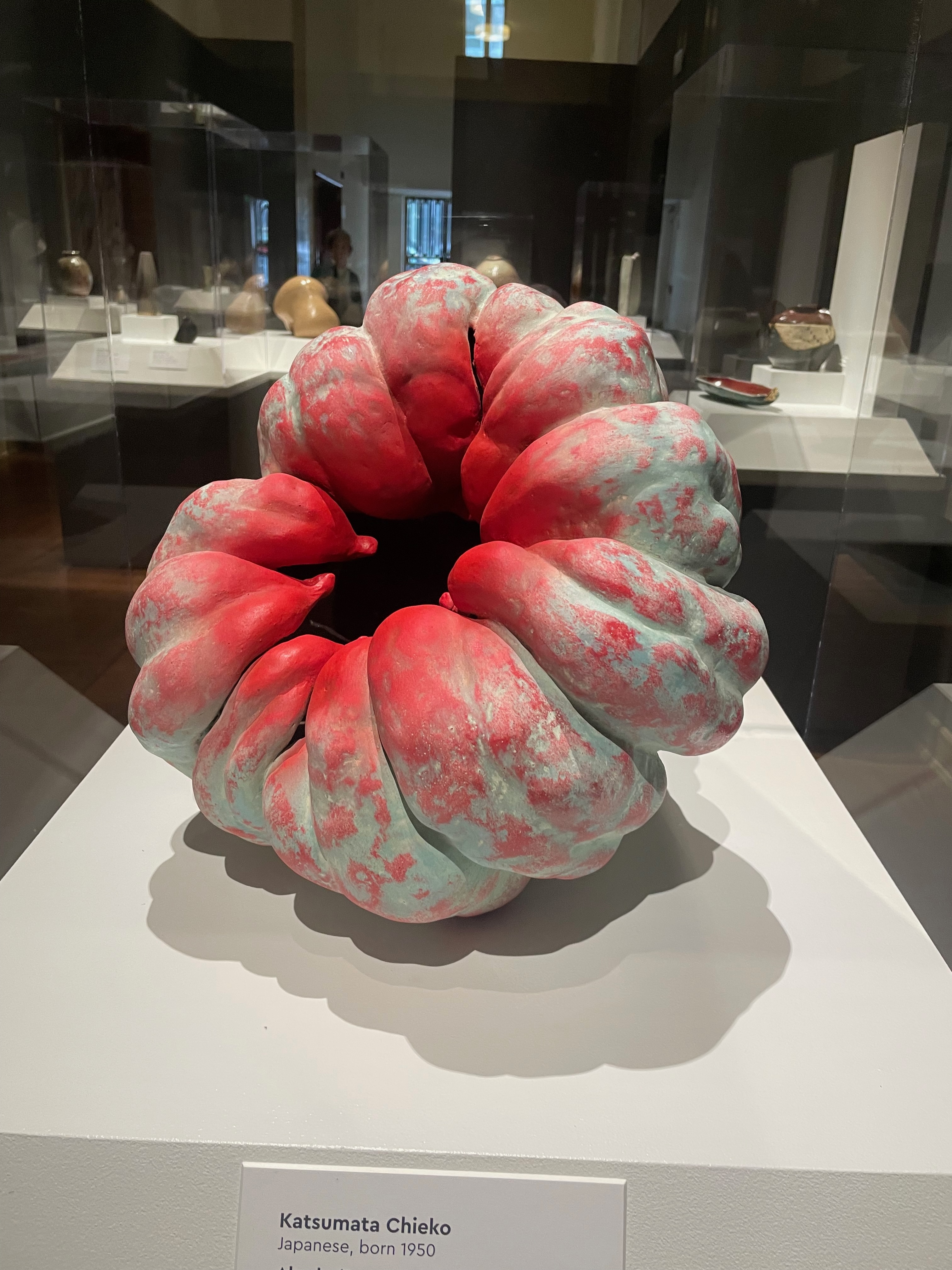
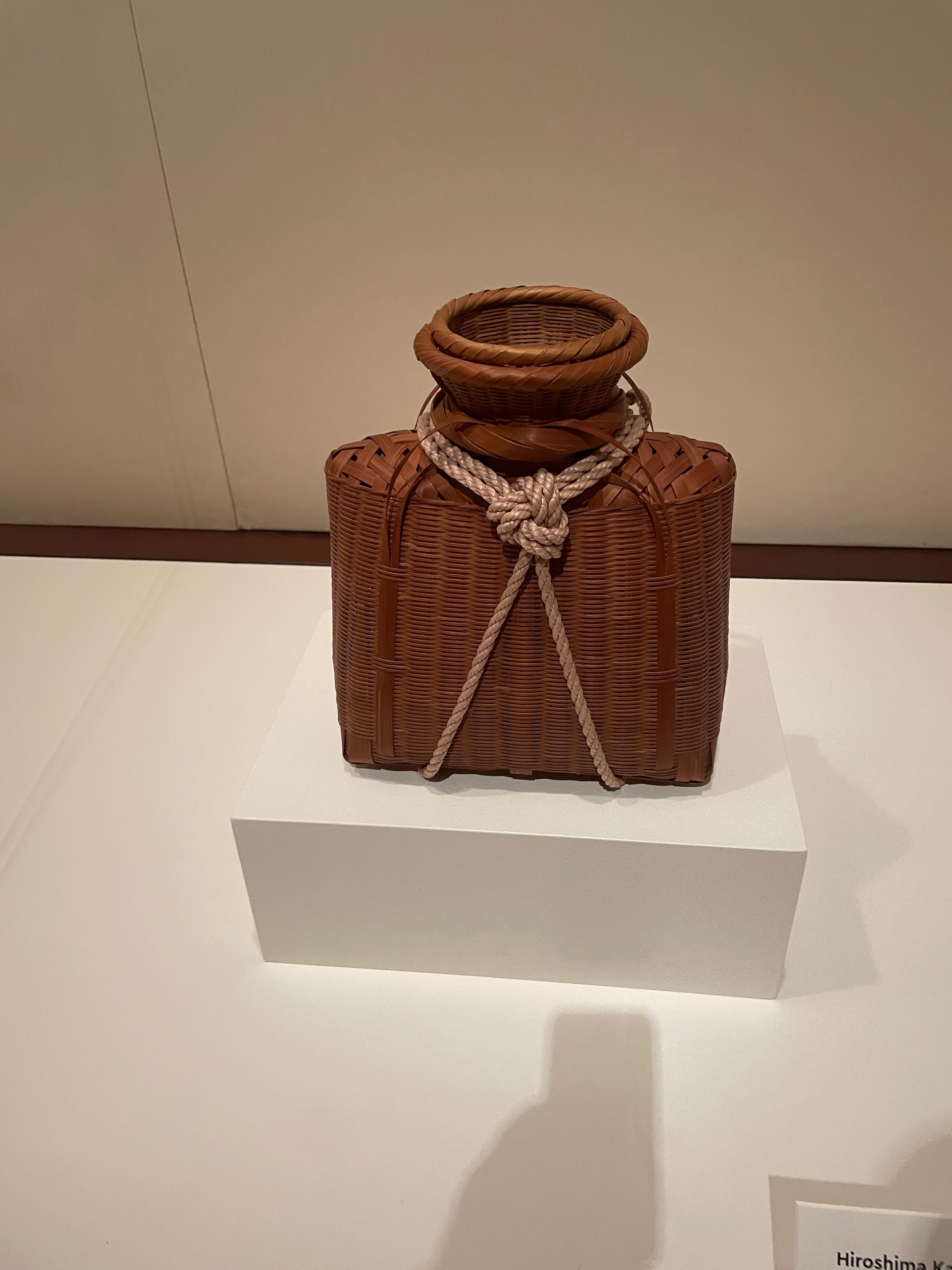
As Vanessa Williams crooned in 1992, the best was saved for last, which brings me back to Japan and my grandparents. What struck me about the Japanese exhibits was the level of detail, the commitment to perfection, and the patience it must have taken to create these pieces. The bamboo basket caught my attention because of what it must have taken to bring together so many thinly sliced bamboo pieces, weave them tightly with pieces of various sizes, and make it look so stunning that you can’t imagine a human being made it. At least, none of the clowns I hang out with. The vases had gorgeous shapes and intricate paintings. As someone with very little patience, I can’t conceive of what it must have taken.
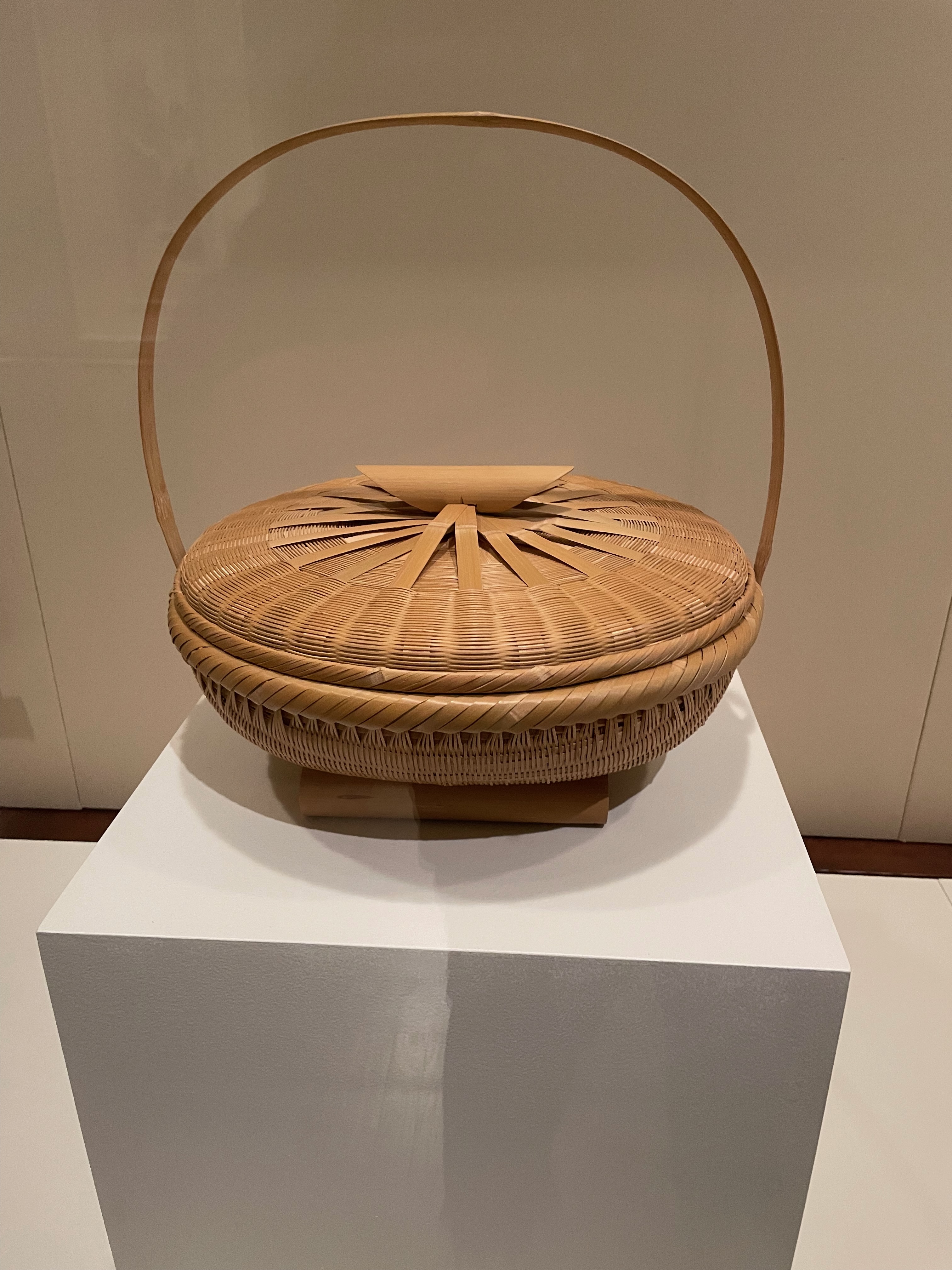
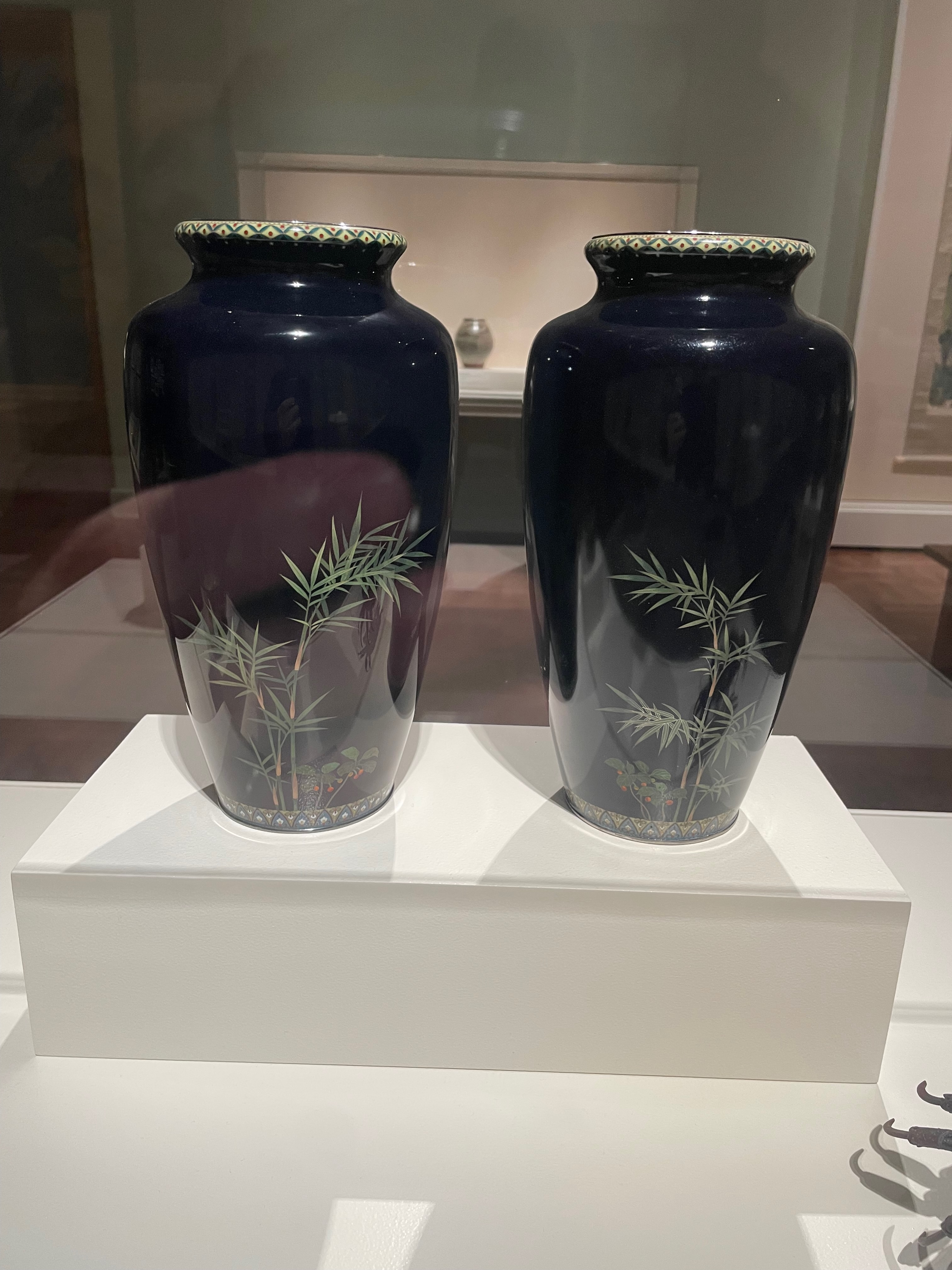
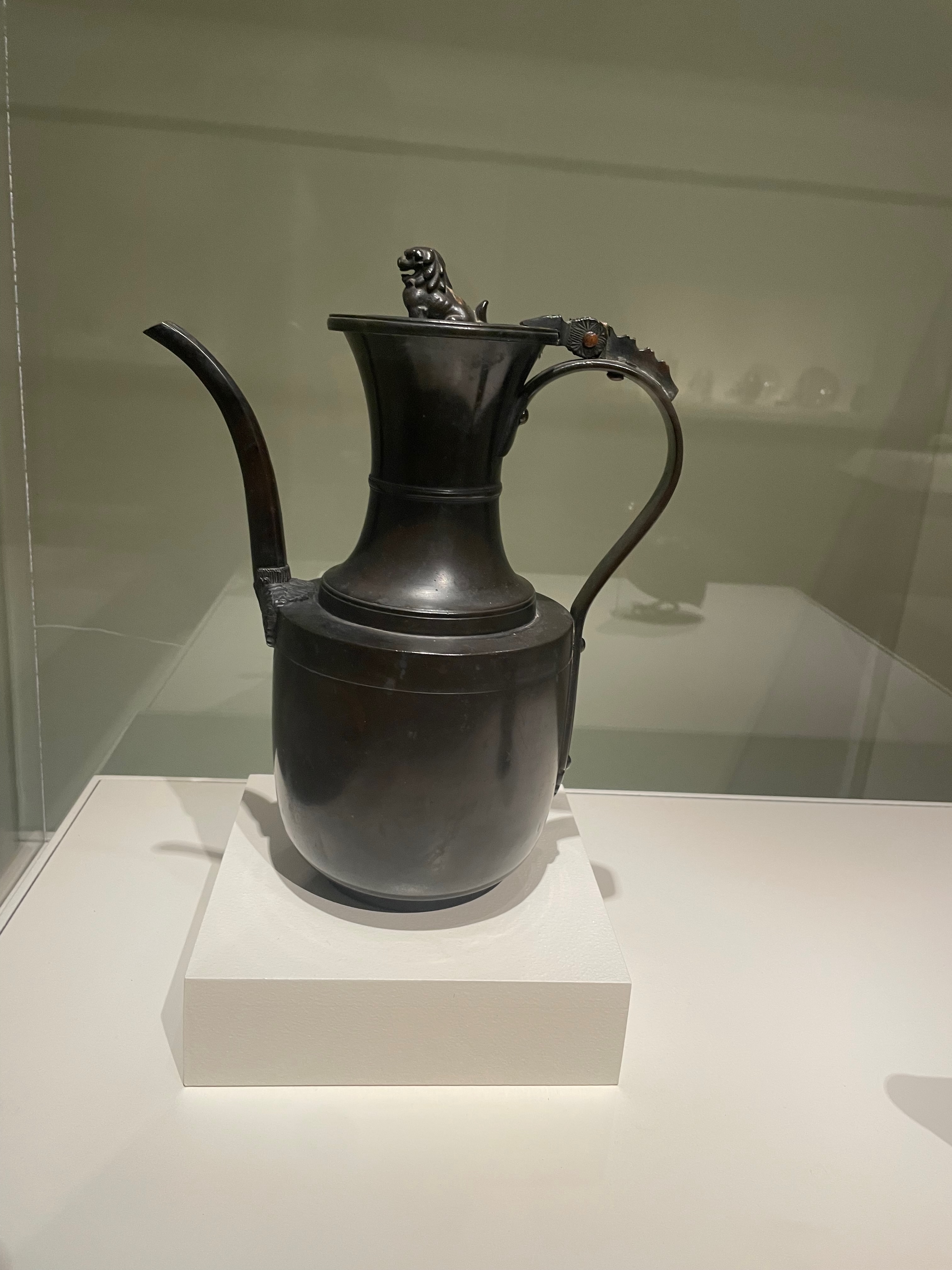
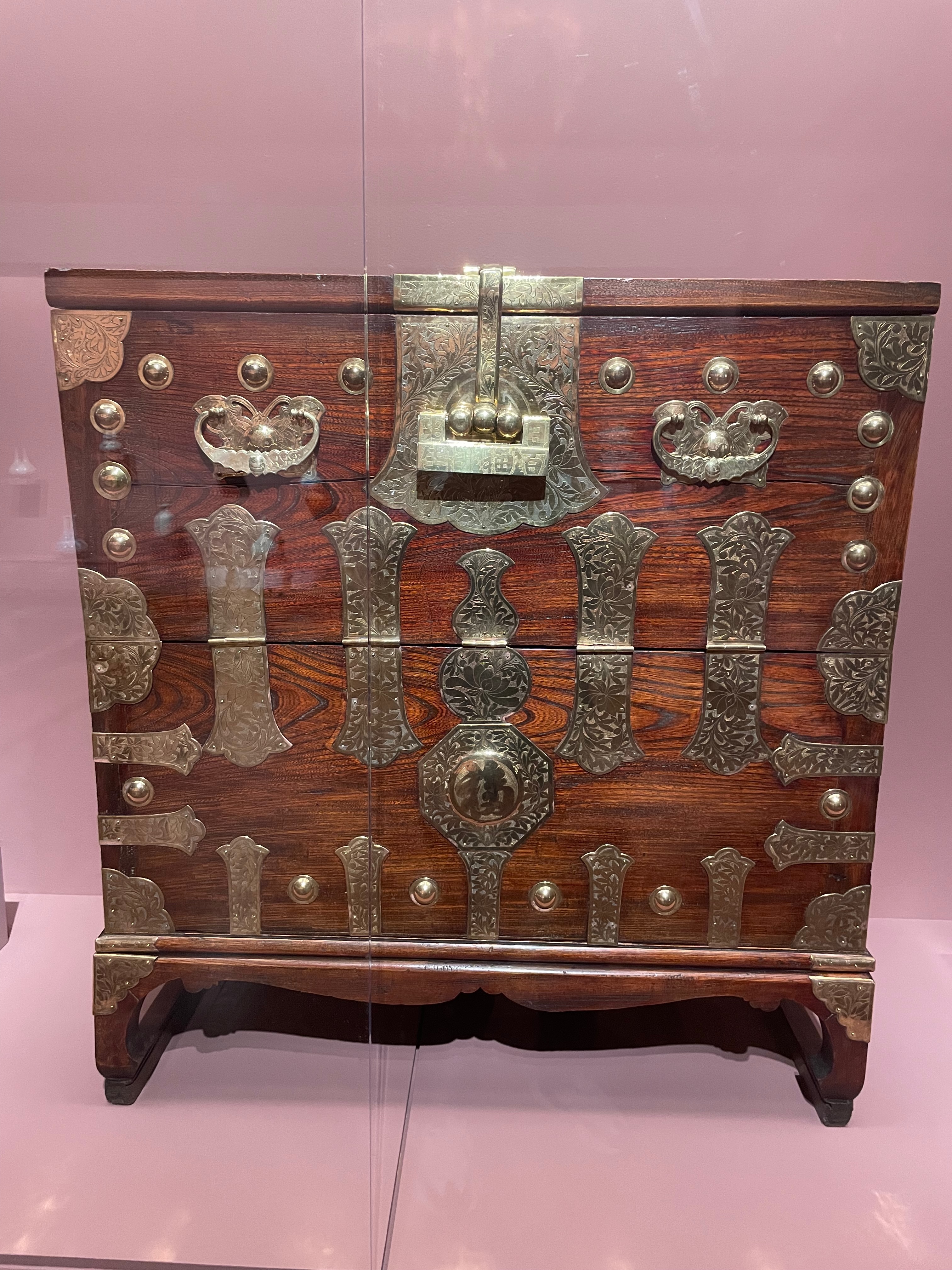
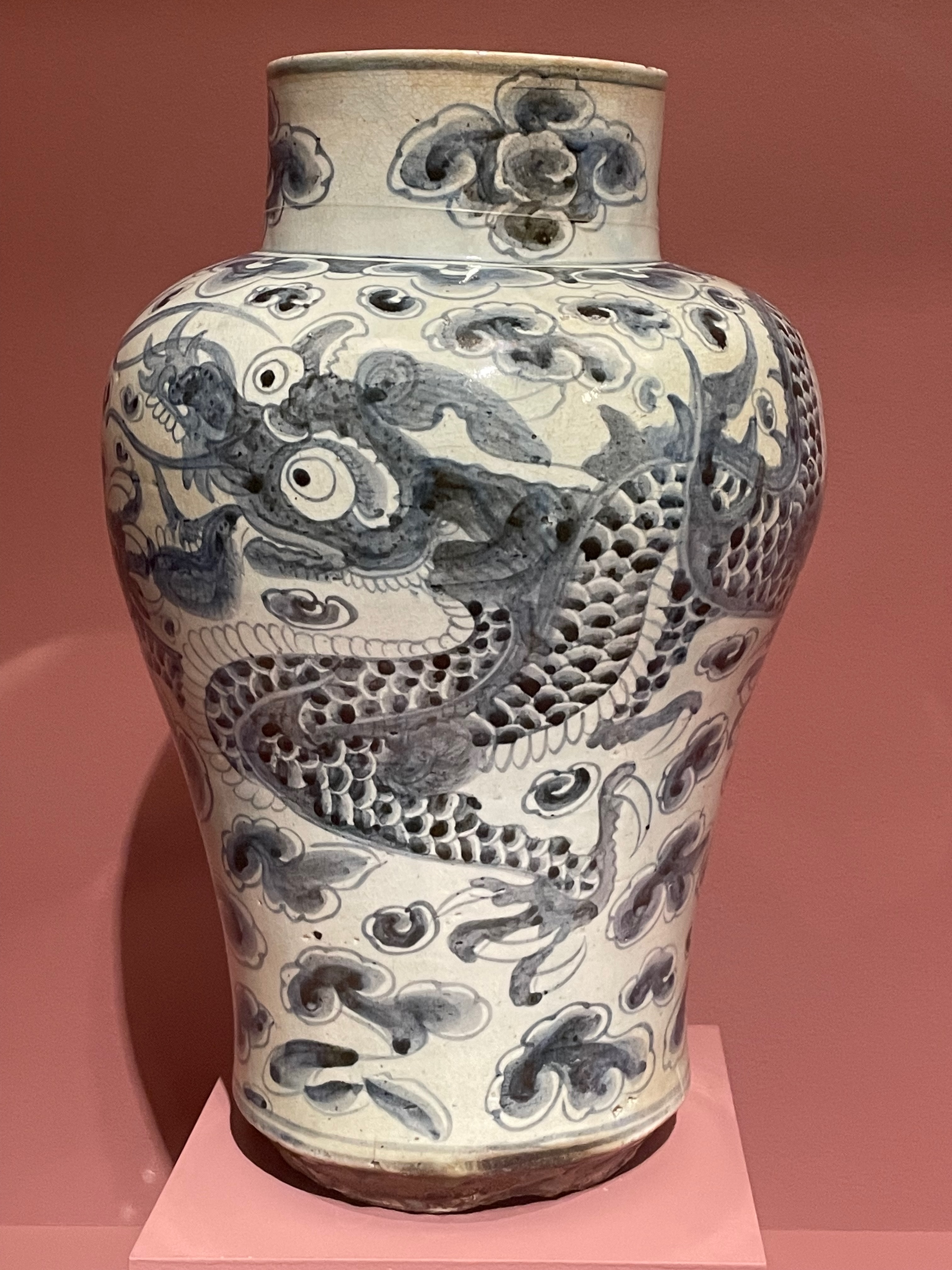
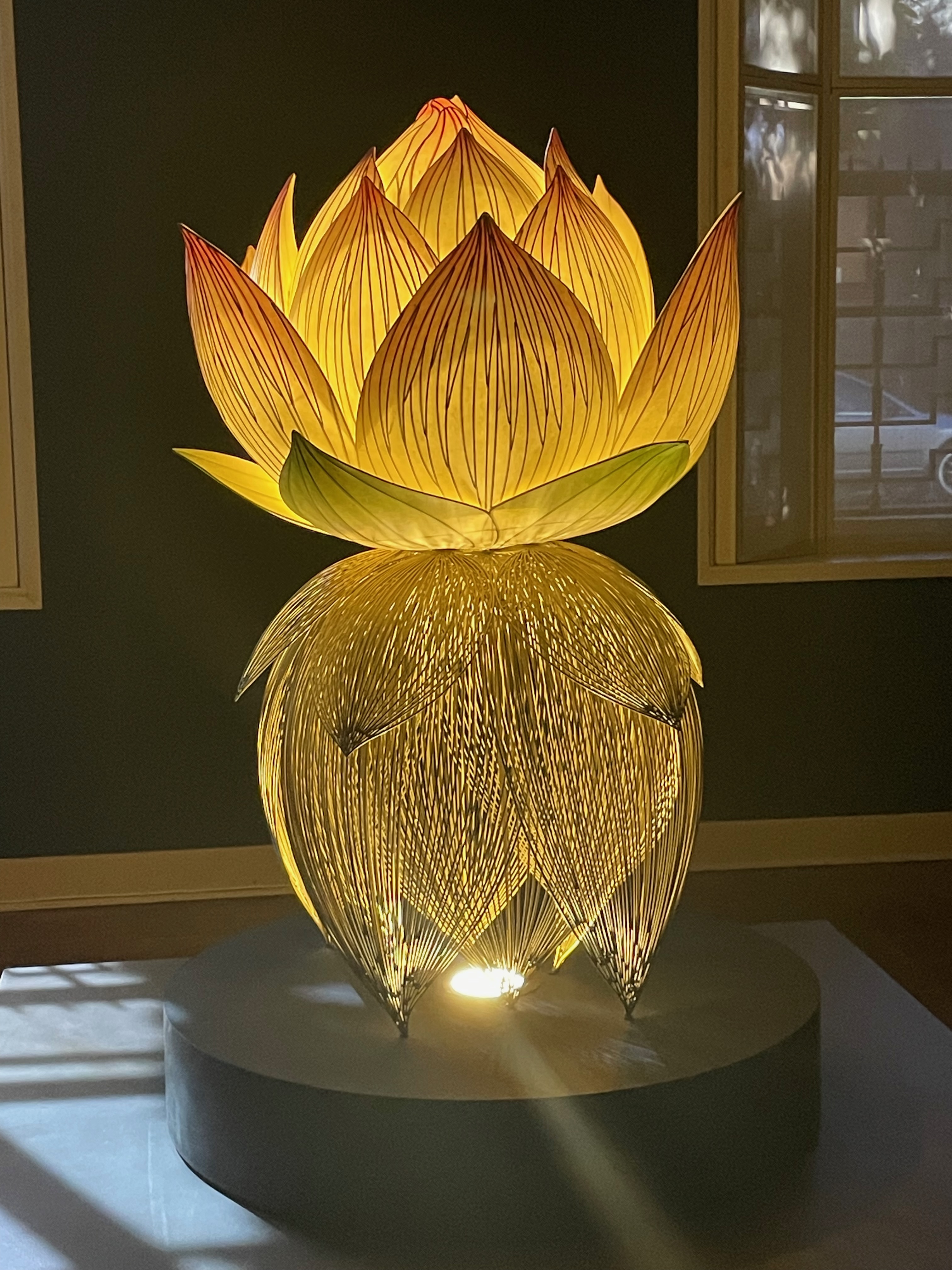
My grandfather was right. The Japanese people are skilled, clever, patient, and wise. I think their art reflects a people who are disciplined and humble.
I left the Portland Art Museum convinced we have regressed as a society. I think we peaked in the mid-20th century, and it’s been downhill ever since. The phrase “Boy, they don’t make ’em like that anymore” came to mind several times. But I realized, boy, they don’t make ’em like that anymore, here. In Japan and elsewhere, they do.
Thanks to the magic of PAM membership, I have upgraded my art knowledge from Eddie Haskell-level to Wally-level. I don’t think I’m too far out of the mainstream, though. I’d love to hear your thoughts in the comments.